Natural Ingredient Topics

An informational overview of selected natural plant-based ingredients commonly referenced in nutritional literature. All descriptions are educational and contextual only — no products are sold on this platform.

Informational Context Notice

The following ingredient entries are presented as general educational summaries. They describe the compositional and contextual properties of natural food ingredients as explored in nutritional research. They do not constitute dietary advice, recommendations for specific use, or claims about health outcomes. Individual circumstances vary; consult a qualified professional for personal guidance.

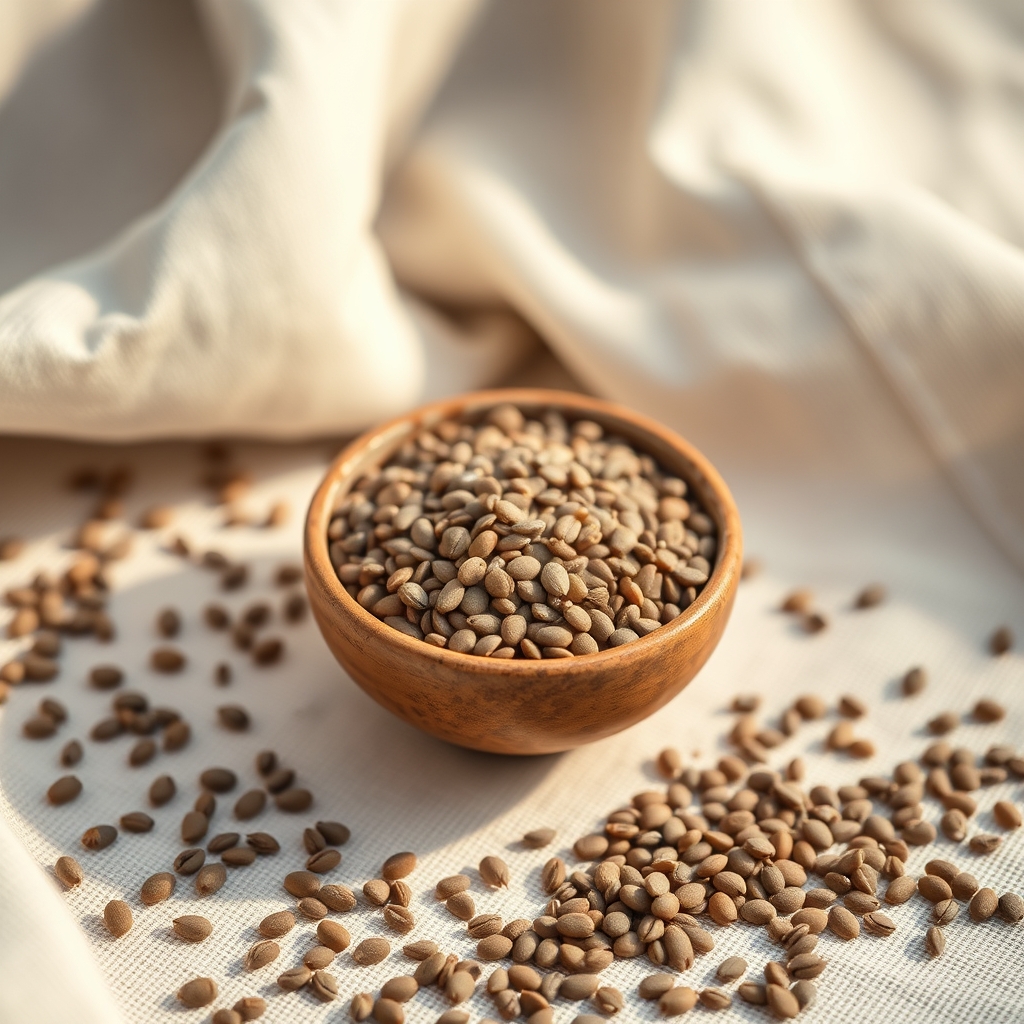
Chia seeds in a small ceramic bowl with scattered seeds on a linen surface

Chia Seeds

Derived from the Salvia hispanica plant, chia seeds have been part of traditional diets in parts of Central and South America for centuries. They are characterised by an unusually high content of dietary fibre relative to their size, as well as omega-3 fatty acids and various minerals including calcium and phosphorus. When exposed to water, the soluble fibre forms a gel-like matrix, a property explored in several nutritional studies.

  • One of the richest plant sources of dietary fibre by weight
  • Contains alpha-linolenic acid (ALA), an omega-3 fatty acid
  • Studied in the context of satiety and digestive function support
Inquire About
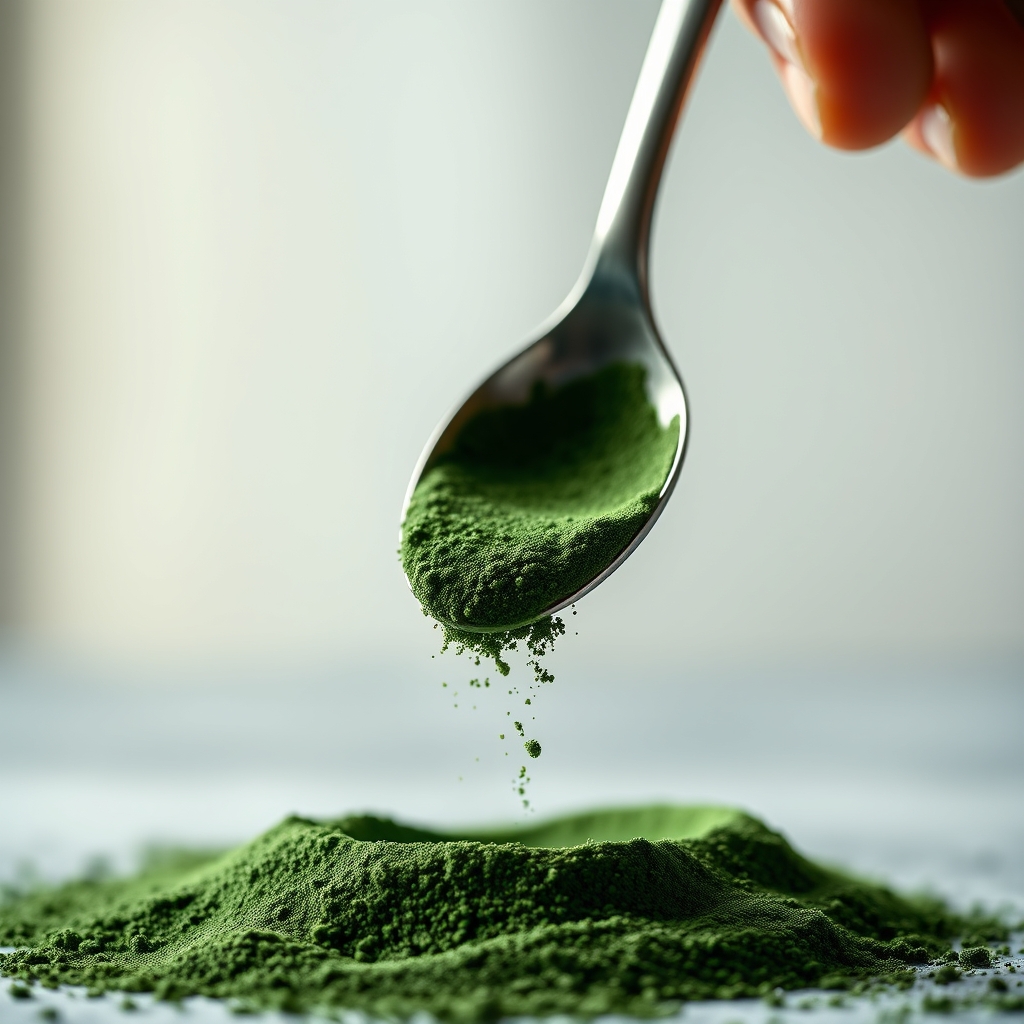
Spirulina powder poured from a spoon with natural green colour visible

Spirulina

Spirulina is a cyanobacterium — commonly referred to as a blue-green microalgae — that has been consumed as a food source in various cultures for centuries. Nutritionally, it is notable for its comparatively high plant-based protein content and its concentration of B-group vitamins, iron, and the pigment phycocyanin. It is among the more intensively studied microalgae in the context of nutritional supplementation research.

  • Notable plant-based protein concentration
  • Contains iron, B vitamins including B12 precursors
  • Phycocyanin pigment explored for antioxidant properties
Inquire About
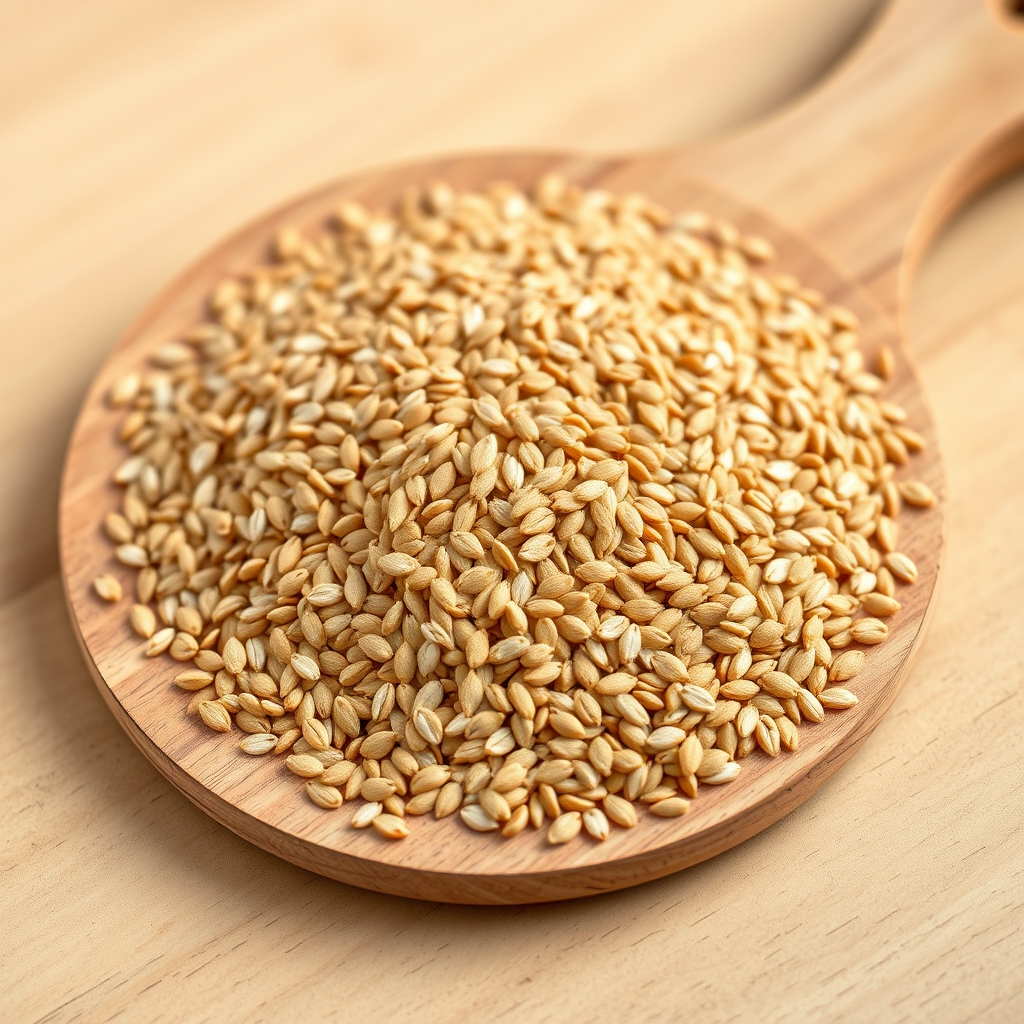
Whole and ground flax seeds arranged on a natural wooden board

Flax Seeds

Flax seeds (Linum usitatissimum) are among the oldest cultivated crops and are recognised as one of the richest plant sources of alpha-linolenic acid (ALA). They also contain a class of polyphenols known as lignans, which are unique plant compounds studied for their antioxidant characteristics. The soluble fibre content of flax seeds, particularly mucilage, contributes to their studied role in digestive processes.

  • Highest plant-based ALA (omega-3) content among common seeds
  • Rich source of lignans with antioxidant properties
  • Soluble mucilage fibre relevant to digestive function context
Inquire About
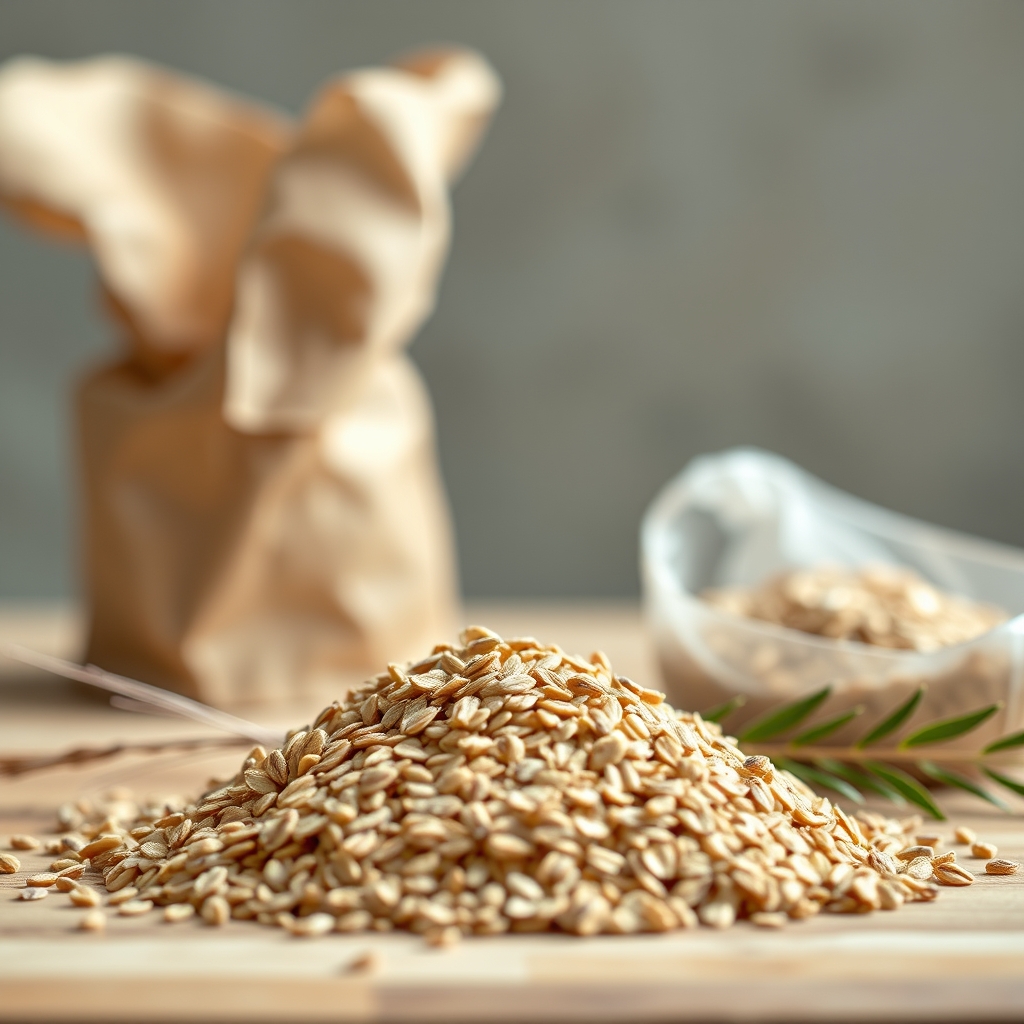
A natural composition of oat bran, psyllium husk, and mixed plant fibre sources

Fibre Blends

Fibre blends combine multiple dietary fibre types — typically both soluble and insoluble — from sources such as psyllium husk, oat bran, apple pectin, and wheat bran. This combination is designed to provide a broader spectrum of fibre-related properties than any single source alone. Research in nutritional science has explored the relationship between diverse fibre intake and the composition of the intestinal environment.

  • Delivers both soluble and insoluble fibre fractions
  • Psyllium husk contributes to viscosity and gut transit support
  • Varied fibre sources studied for intestinal microbiome context
Inquire About
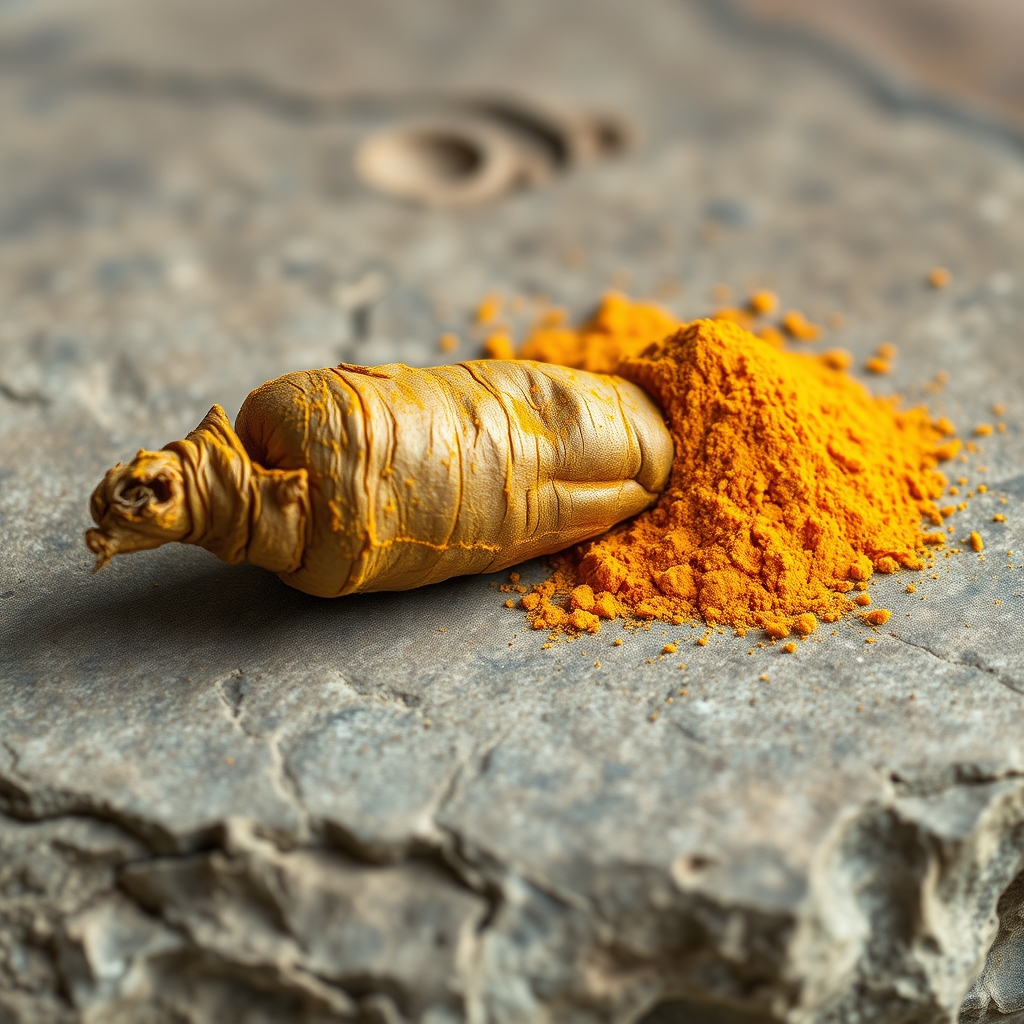
Fresh turmeric root and ground turmeric powder on a natural stone surface

Turmeric

Turmeric (Curcuma longa) is a rhizomatous plant of the ginger family widely used as a culinary spice across South and Southeast Asian cuisines. The primary active compound, curcumin, is a polyphenol that has attracted substantial attention in nutritional and biochemical research for its antioxidant characteristics. Turmeric has a long history of use in traditional dietary contexts across multiple regions.

  • Contains curcumin, a well-studied polyphenol compound
  • Long-established role in traditional culinary traditions
  • Explored in antioxidant and inflammatory response research
Inquire About
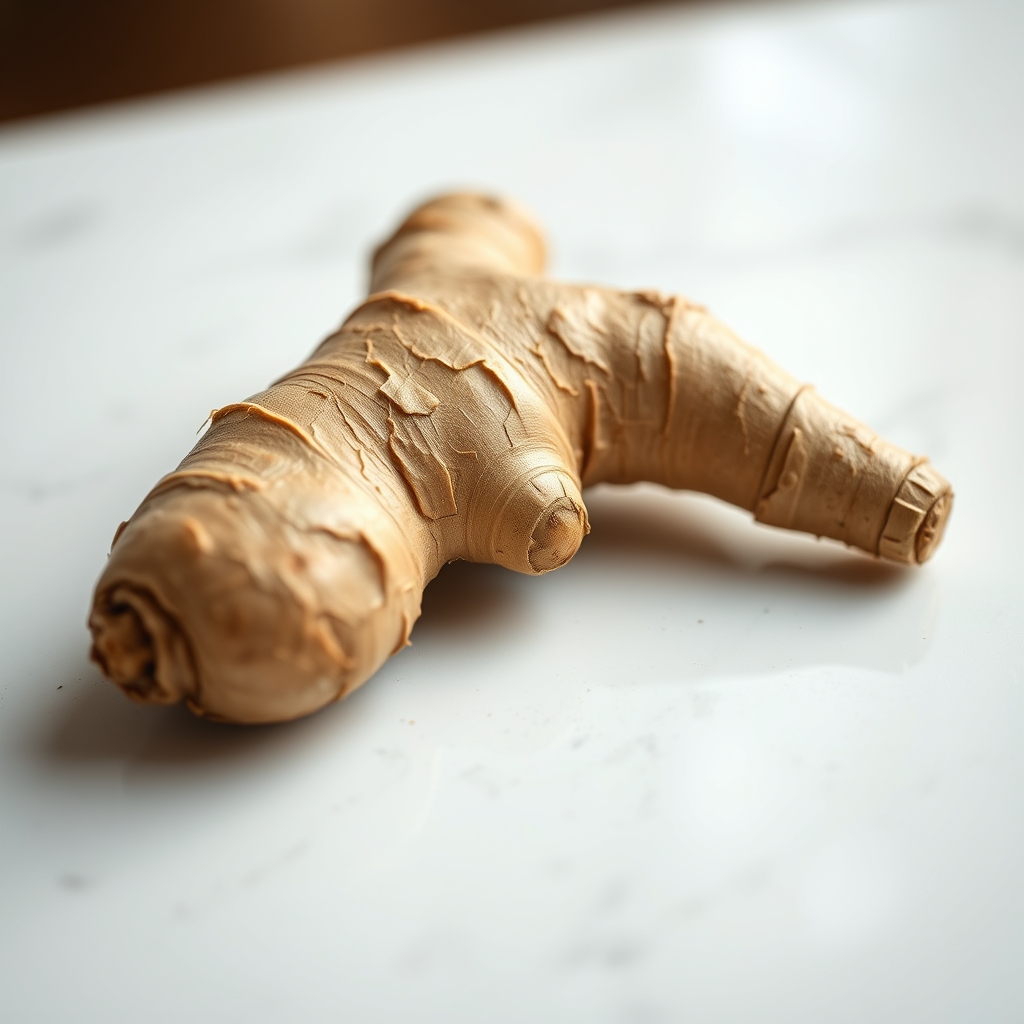
Fresh ginger root on a clean surface with natural warm tones

Ginger

Ginger (Zingiber officinale) is a flowering plant whose rhizome is used as a spice and flavouring across global culinary traditions. Its primary bioactive compounds include gingerols and shogaols, a class of compounds that give ginger its characteristic pungency and which have been explored in nutritional science contexts. Ginger has been documented as a food ingredient across Asian, Middle Eastern, and European culinary traditions for over two thousand years.

  • Contains gingerols and shogaols as key bioactive compounds
  • Widely used in traditional culinary and food preservation contexts
  • Studied in relation to digestive comfort and nausea response
Inquire About

Educational content only. No promises of outcomes. All ingredient descriptions are informational and general. No products are sold on this platform. For individual guidance, consult a qualified nutritional professional.